Food Packaging Solutions: High-Quality Food Wrapping Solutions
How to Select the Right Food Packaging Boxes for Your Retail Business
Selecting the ideal food packaging solutions is vital for all retail businesses. The decision-making process encompasses several factors, including materials, visual design, and sustainability. Each factor plays a significant role in preserving product quality and attracting customers. Retailers must consider how these elements align with their brand identity and market expectations. Grasping these nuances can have a significant impact in business success. What specific criteria should retailers focus on to guarantee ideal packaging outcomes?
Why Food Packaging Is Essential for Retail Success
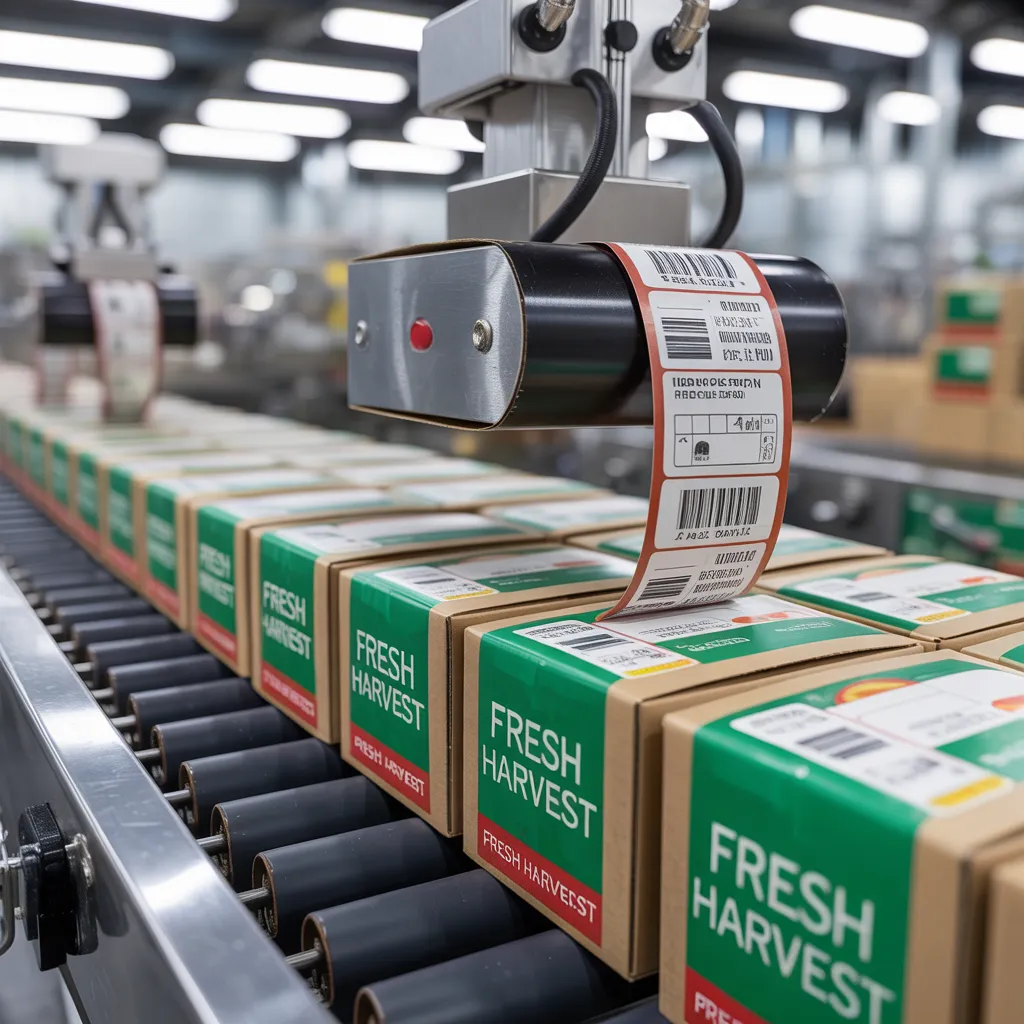
Food packaging serves an essential role in the retail business landscape by shaping how consumers perceive products and make buying choices. Effective packaging serves as a wordless brand ambassador, communicating key information about the product while creating an appealing visual identity. It captures attention on crowded shelves and can differentiate a product from competitors.
Furthermore, packaging assures consumers assurance of product quality and safety, which is vital in the food industry. Informative labeling, attractive designs, and environmentally responsible materials can enhance brand loyalty and encourage repeat purchases. Additionally, strategic packaging can reflect the brand's mission and narrative, building a deeper connection with the buyer.
In the era of e-commerce, packaging has become essential in guaranteeing products reach customers undamaged and retain their aesthetic quality, influencing online reviews and customer satisfaction. In the end, well-designed packaging is a key factor in increasing revenue and supporting sustained retail achievement.
Fundamental Materials for Food Packaging
Selecting the correct components for food packaging is crucial for maintaining product integrity and ensuring safety. Numerous materials fulfill distinct purposes, influencing both preservation and user experience. Commonly used options include paperboard, which offers durability and recyclability, rendering it an eco-friendly choice. Plastic, particularly PET and HDPE, offers excellent barrier properties, protecting food from moisture and contamination. Glass containers are valued for their inert nature, protecting flavor and avoiding chemical interactions.
Metal-based packaging, like metal cans, is ideal for extending shelf life, especially for perishable products. Furthermore, biodegradable and compostable materials are becoming increasingly popular, reinforcing sustainability goals. Each packaging material's cost, availability, and compatibility with specific food types must be considered. At the end of the day, identifying the ideal packaging material not only safeguards food quality but also reflects a business's commitment to sustainable practices and safety.
How to Create Packaging That Draws in Customers
Impactful packaging design serves a critical function in drawing in customers and boosting brand recognition. In order to reach this objective, businesses must focus on several key elements. First, color selection is essential; vibrant colors can evoke emotions and catch the eye, while muted shades can express refinement. Second, font choices should be clean and easy to read, making certain that brand identities and product details can be quickly understood.
Including original shapes or constructions can further differentiate a product on crowded shelves, establishing a remarkable encounter for consumers. Additionally, imagery that reflects the product's quality or origin can further entice customers. To conclude, weaving a storytelling component or brand message into the packaging builds a stronger bond with the intended audience, encouraging engagement and loyalty. By strategically uniting these features, enterprises can design packaging that not only gains visibility but also supports their brand recognition.
Sustainable Practices in Food Packaging: Why They Matter
As more consumers place greater emphasis on environmental responsibility, the value of sustainable practices in food packaging remains critically important. Retail businesses are recognizing the importance of using eco-friendly materials that reduce waste and minimize their carbon footprint. Eco-friendly packaging solutions, including biodegradable, compostable, or recyclable materials, not only attract environmentally aware consumers but also strengthen brand reputation.
Integrating sustainable practices promotes openness and responsibility, allowing organizations to connect with the values of their target market. Moreover, industry regulations are transitioning to more rigorous environmental guidelines, rendering it necessary for businesses to embrace sustainable packaging solutions.
Committing to green strategies can lead to long-term cost savings, as companies may reduce disposal costs and improve productivity. Ultimately, integrating green solutions for food packaging is not just a responsible obligation; it is a calculated decision that places businesses advantageously in an growing environmentally conscious marketplace.
Finding the Right Balance Between Cost and Quality in Packaging
In the retail food industry, balancing cost and quality in packaging is critical for business success. Businesses must carefully evaluate material options to secure product durability while also considering cost-effective design strategies that attract consumers. This equilibrium can significantly influence both profitability and brand perception.
Analyzing Material Selections
Selecting the most suitable option for packaging food containers requires a careful evaluation of both financial and quality factors. Several choices, such as plastic, cardboard, and biodegradable materials, offer distinct benefits and limitations. Paperboard is frequently affordable and environmentally friendly, establishing it as a popular choice among vendors. Nevertheless, its durability may sometimes not address the needs of certain food products. Plastic packaging delivers outstanding protection against moisture and can prolong storage duration, but its environmental impact presents concerns. Biodegradable materials, while often pricier, align with sustainability goals and appeal to environmentally aware customers. In the end, the selection process should balance these elements, ensuring the selected option protects the product while also catering to financial limitations and brand identity.
Cost-Effective Design Strategies
Striking a equilibrium between cost and quality in the design of food packaging demands thoughtful strategy find here and creative approaches. Retail businesses should consider using standardized packaging sizes to lower manufacturing expenses while ensuring efficient use of materials. Employing straightforward yet attractive designs can boost brand recognition without generating excessive costs. Additionally, choosing flexible materials allows for multiple packaging applications, reducing waste while optimizing resource use. Working with vendors to consider wholesale purchasing possibilities can further lower costs. In addition, integrating environmentally responsible methods, such as recyclable or biodegradable materials, not only attracts eco-aware customers but can also lead to long-term savings. By applying these economical methods, businesses can achieve packaging that meets quality expectations while remaining budget-friendly.
Evaluating Packaging Options: Key Questions to Consider
What is the best way for a retail business to select the appropriate food packaging boxes? Evaluating packaging options requires careful consideration of several key questions. First, businesses should assess the material's suitability for the food type being packaged. Does it meet food safety standards while also maintaining product freshness? Additionally, the design must be taken into account—does it reflect the brand's image while remaining practical for end users?
Cost is an additional crucial factor. Can the business maintain quality while staying within budget? Moreover, businesses should assess the packaging's sustainability. Are there eco-friendly options that reduce environmental impact?
Ultimately، storage and transportation logistics cannot be disregarded. Can the packaging be stored and transported without sustaining damage? Through examining these considerations, retail businesses can arrive at educated conclusions that boost product appeal and secure customer contentment.
Frequently Asked Questions
What Are the Essential Food Packaging Regulations to Keep in Mind?
Frequent food packaging regulations cover compliance with safety standards, labeling requirements, material safety, and environmental regulations. In addition, businesses must ensure that packaging avoids contamination and preserves product integrity during its full shelf life.
How Should I Evaluate Packaging Durability for My Products?
To assess packaging durability, it is advisable to perform moisture resistance evaluations, drop tests, and compression tests. Examining how packaging holds up under various environmental conditions and handling procedures will provide insights into its overall strength and reliability for product protection.
Can I Customize Packaging for Seasonal Promotions?
Certainly, packaging customization is possible for holiday campaigns. Brands often design unique visuals, hues, and materials that complement the occasion's theme, boosting visual appeal while powerfully expressing the marketing message to attract customers during important occasions.
What Are the Key Best Practices for Packaging Food for Delivery?
Proper food packaging for delivery involves utilizing durable, insulated materials to preserve temperature, ensuring leak-proof designs, and including clear labels for contents and handling directions. Additionally, eco-friendly options enhance customer appeal and environmental responsibility.
How Can I Manage Packaging Waste in My Business?
To manage packaging waste efficiently, businesses should introduce recycling systems, adopt biodegradable packaging options, and encourage customers to return packaging. Routine assessments can also reveal ways to reduce waste, promoting a greener approach to business practices.